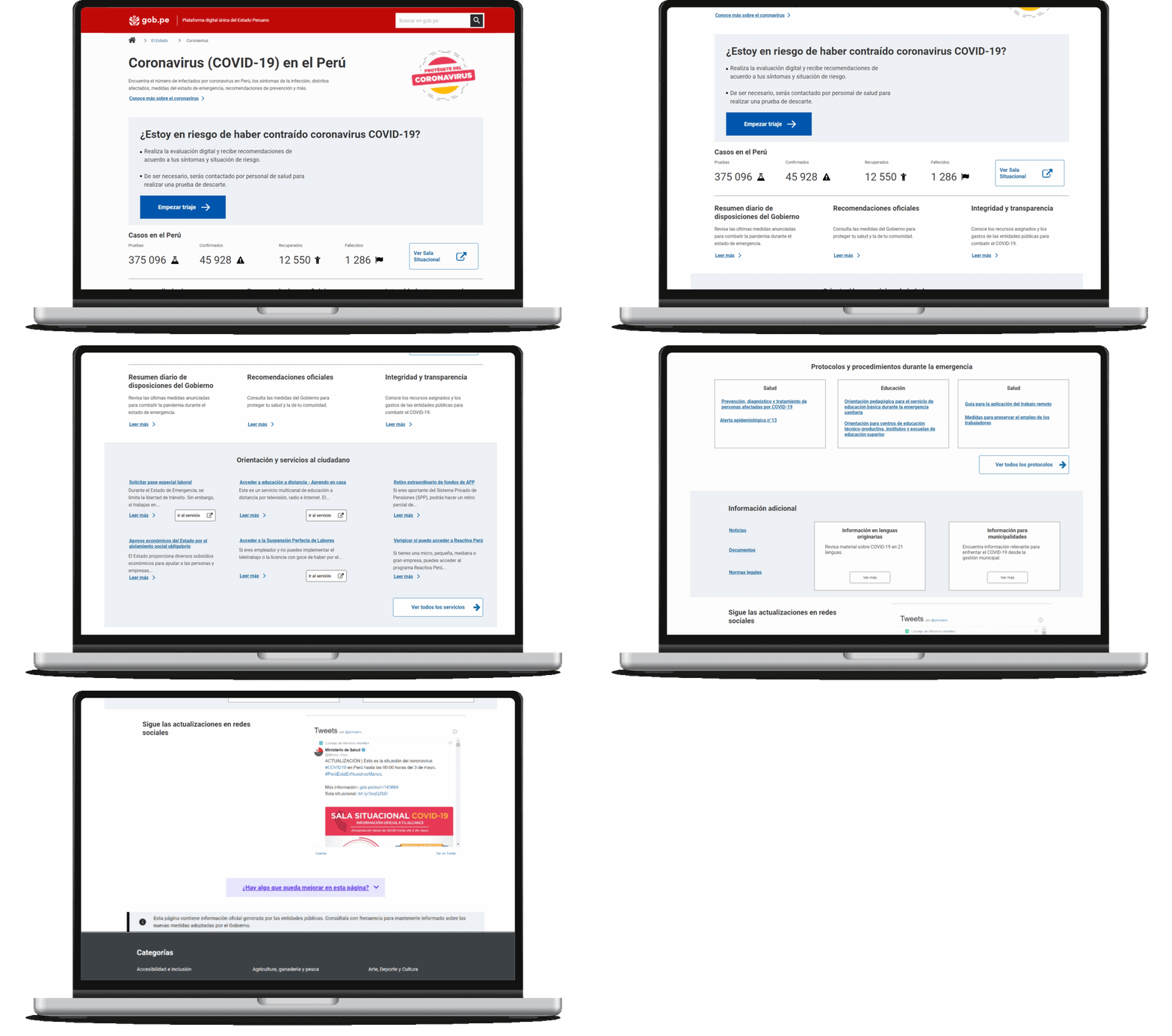
The challenge
Design public digital services in an emergency where policies, requirements and citizen needs were constantly changing, while keeping critical information and services simple, accessible and usable at national scale.
Public sector · 2020–2022
How we rapidly designed and adapted public digital services to inform, support and guide millions of people during the pandemic.
Role
UX Lead, UX Designer & Service Designer
Scope
End-to-end service design
Duration
2 years
Activities
Research, service design, interaction design, prototyping, usability testing and coordination
Tools
Axure RP, Miro, Figma
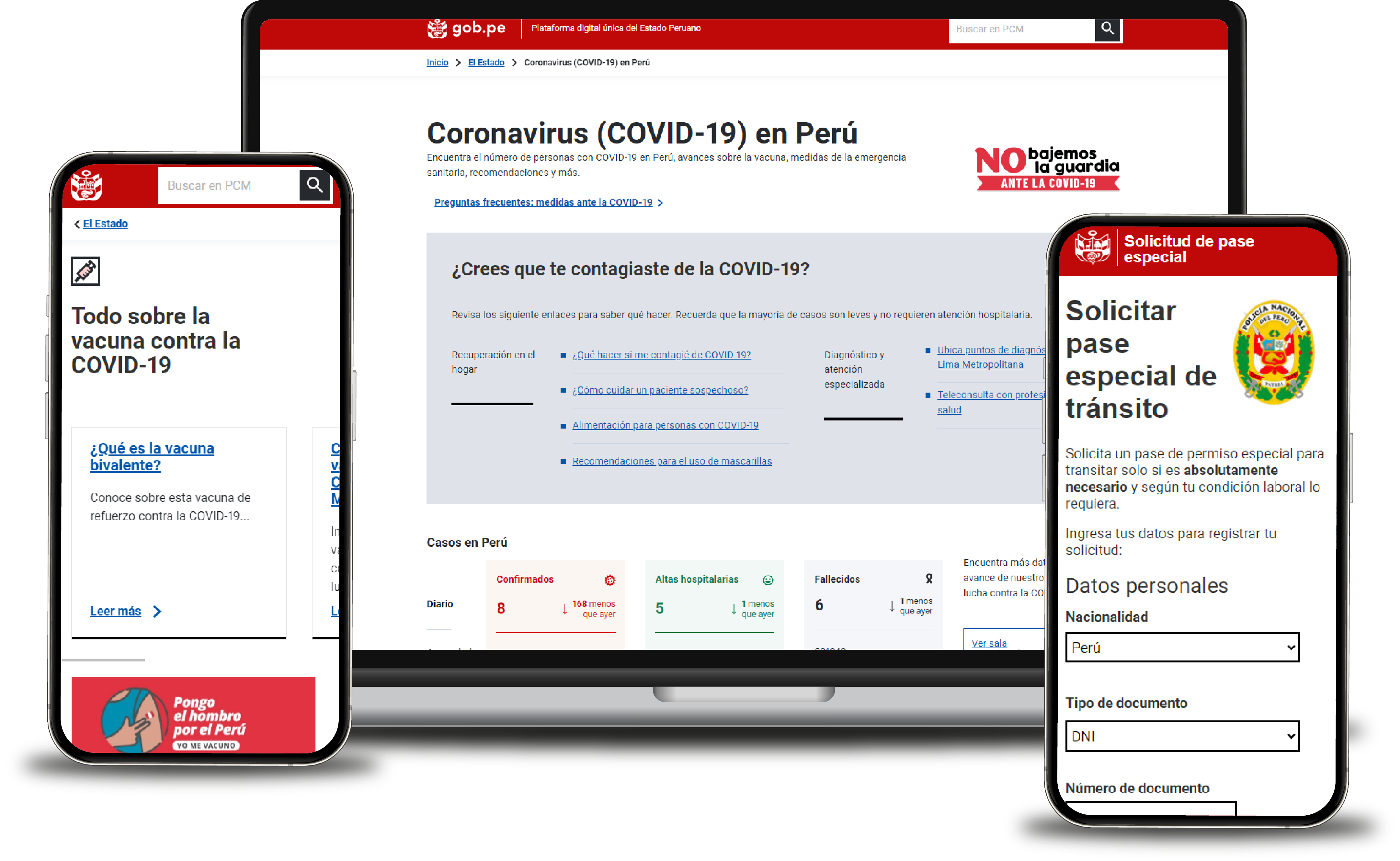
When COVID-19 reached Peru in early 2020, people suddenly needed reliable information, permits to move during lockdown, access to financial support and, later, clear information about vaccination.
As UX Lead for Gob.pe, I worked with multidisciplinary government teams to rapidly design and adapt a connected set of digital services in response to needs that were constantly changing.
The challenge was not only speed. These services had to work for millions of people with different levels of digital literacy, connectivity and access to financial services, while continuously adapting as policies and operational requirements changed.
Design public digital services in an emergency where policies, requirements and citizen needs were constantly changing, while keeping critical information and services simple, accessible and usable at national scale.
We created and adapted a set of digital services within Gob.pe to support different stages of the pandemic response: centralized information, mobility permits, access to financial support and vaccination information.
Every service shared one objective: help people understand what they needed to do next, with as little friction as possible.
Traditional research timelines were not possible. Decisions had to be made in days — sometimes hours.
We combined rapid conversations with specialists from the Ministry of Health and the National Health Institute, examples from other countries and continuous feedback from the teams operating each service.
This helped us understand both citizen needs and institutional constraints, analyze critical journeys and identify where digital services could reduce uncertainty and friction.
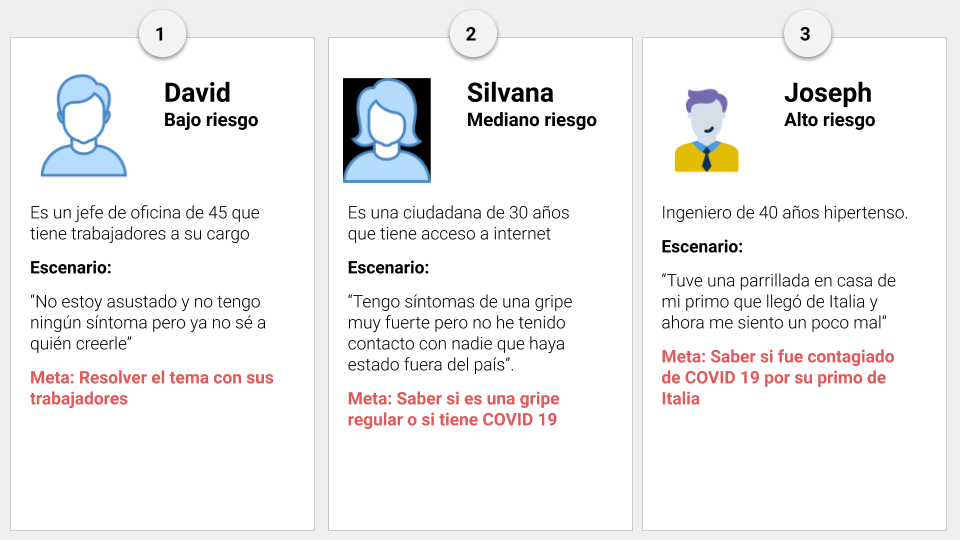
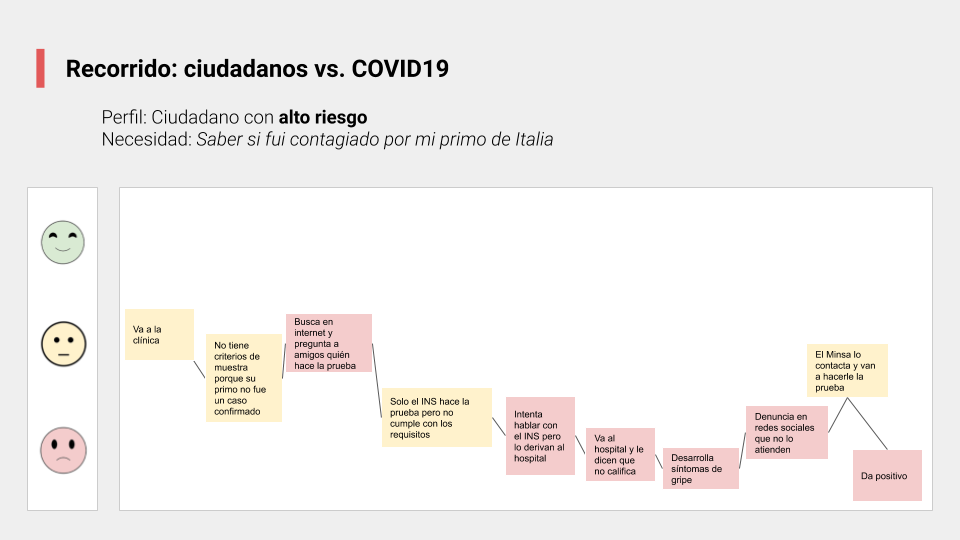
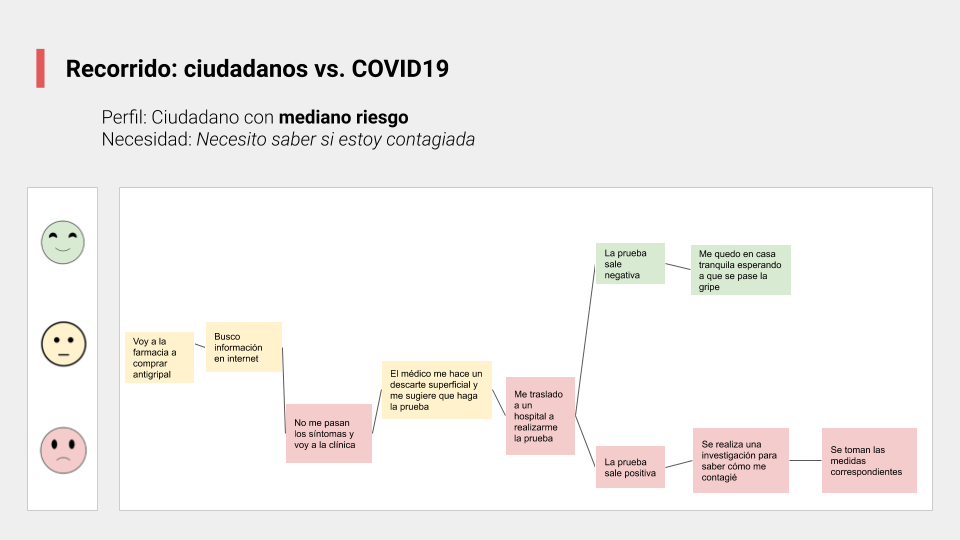
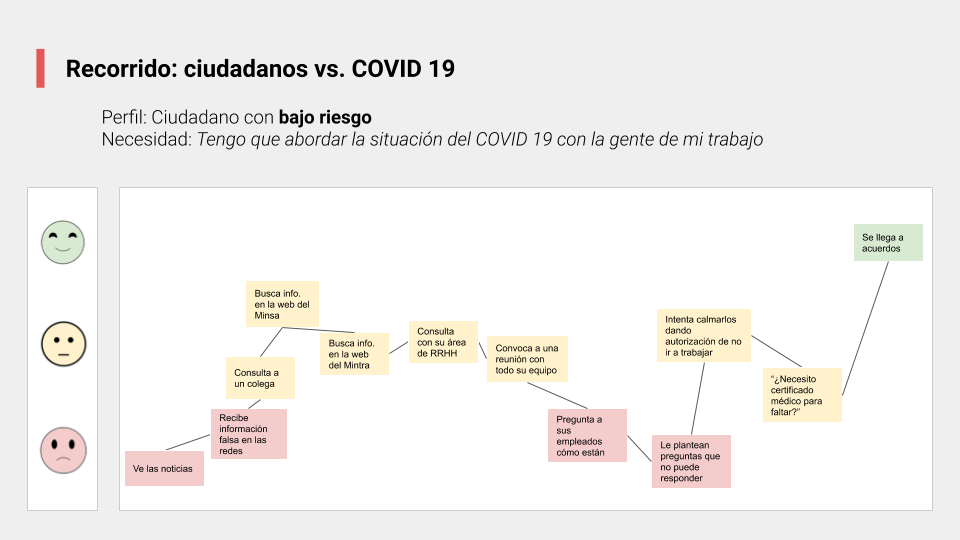
User personas and journey maps used during the rapid research process.
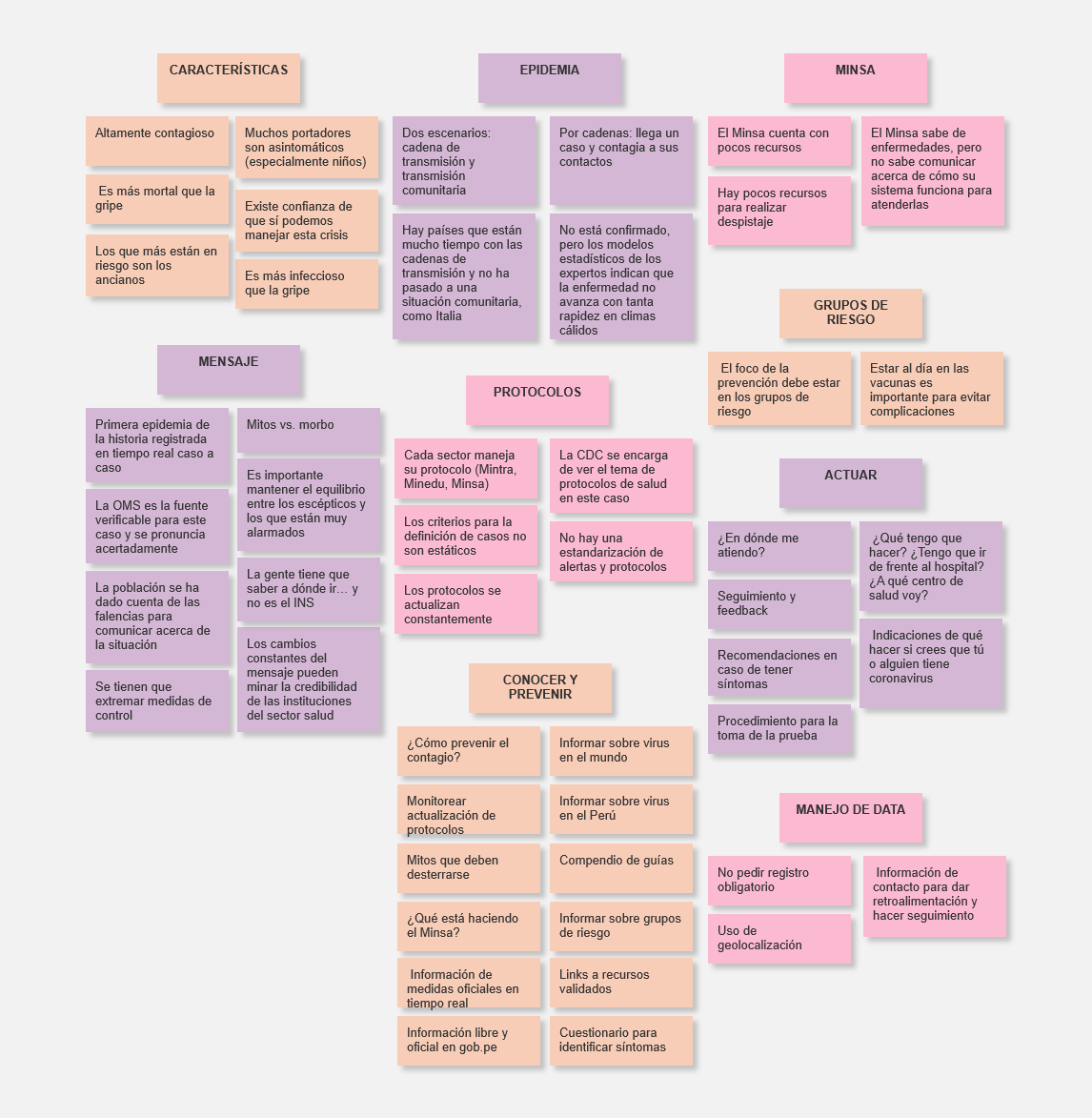
These early exercises helped us prioritize scenarios and design around the questions people needed answered most urgently.
Response 01
At the beginning of the pandemic, information was fragmented across multiple government institutions. People needed a single, trustworthy place to understand restrictions, symptoms, prevention measures and available services.
We created a new content experience within Gob.pe that centralized official COVID-19 information and could be continuously updated as the situation changed.
This became gob.pe/coronavirus, a single government source for official information about the pandemic.
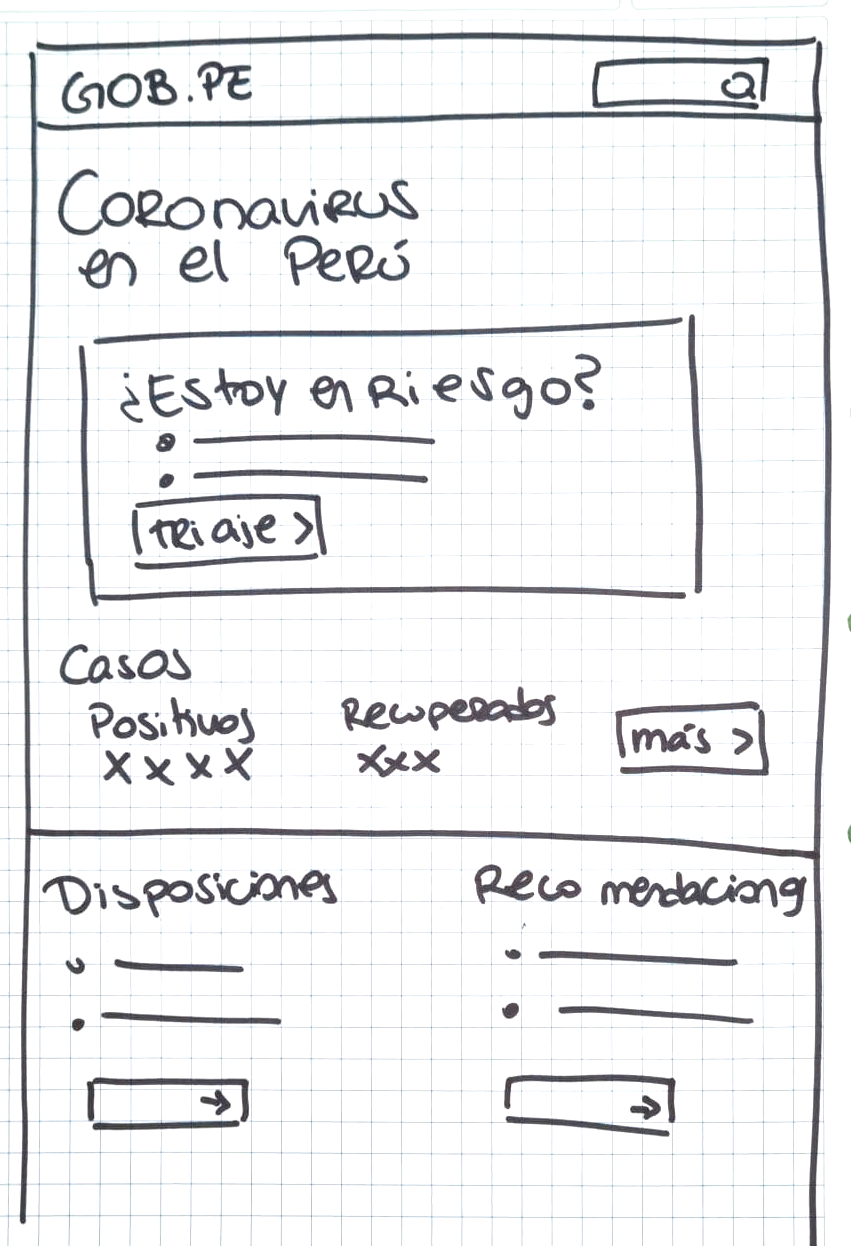
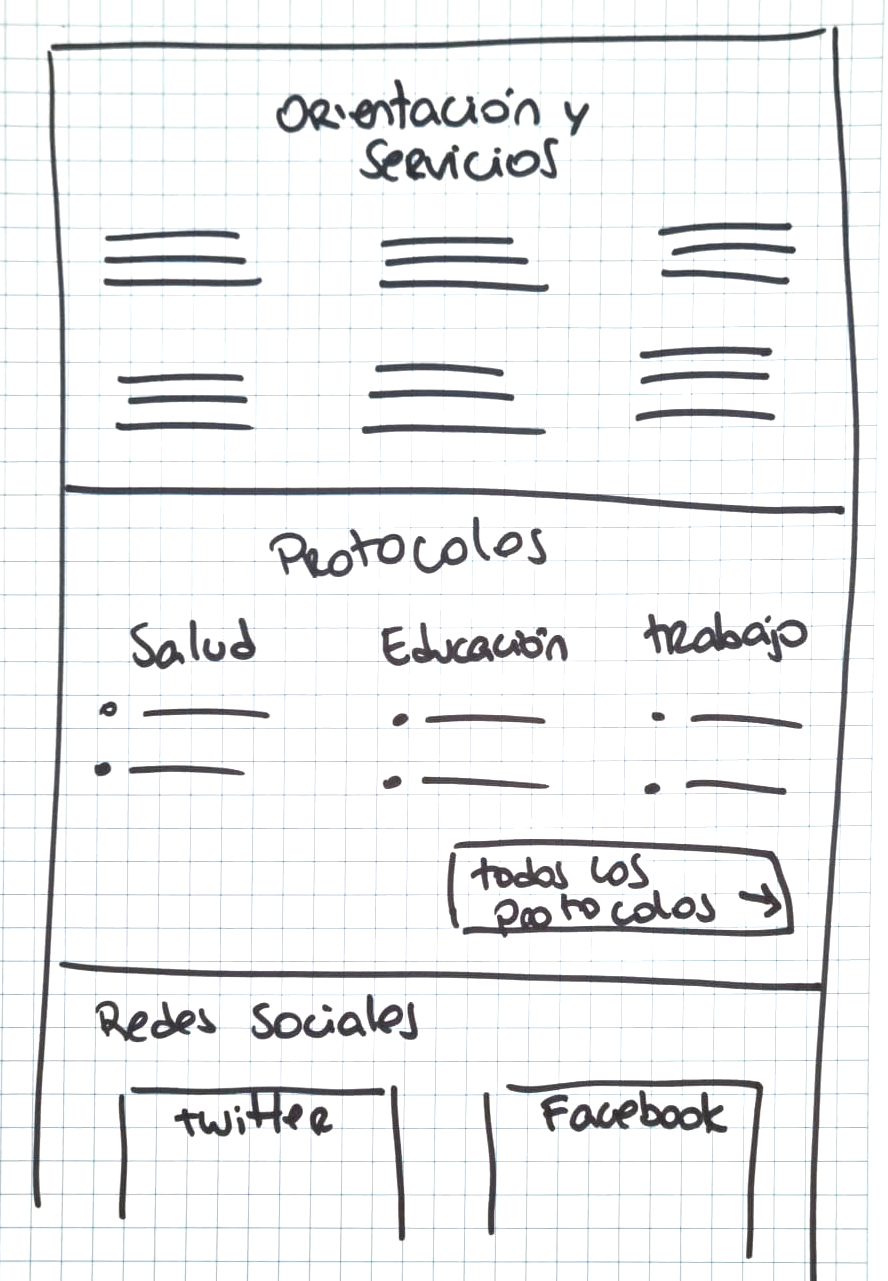
Wireframes of the first version of gob.pe/coronavirus.
Response 02
When Peru entered lockdown, essential workers still needed to travel.
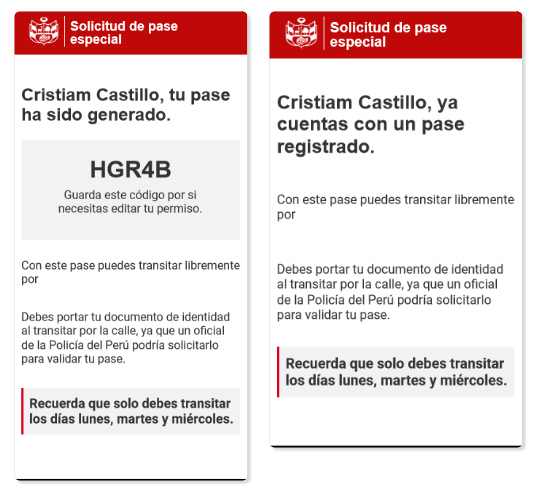
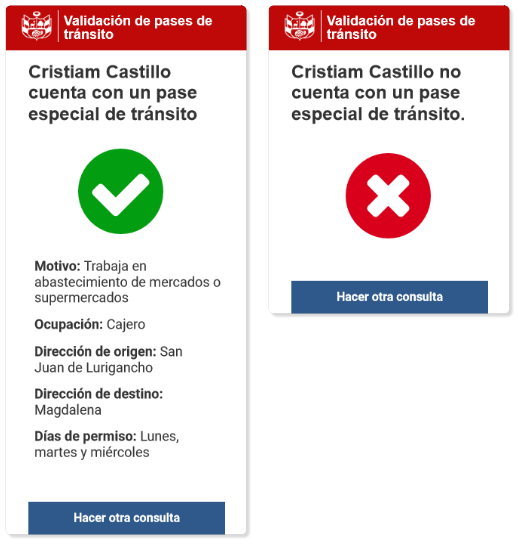
We had only a few days to design a digital permit that people could request online and authorities could validate when necessary.
Within two days, we produced the first prototype, defining the required information, eligibility scenarios, expiration rules and the different responses a person could receive.
Response 03
The government introduced financial assistance for households affected by the lockdown, but beneficiaries had very different levels of access to banking and digital services.
We designed flows that could support multiple payment methods — both digital and in-person — while clearly communicating what each person needed to do to receive their benefit.
Analyzing these scenarios helped us design a flexible service that could respond to different levels of access to financial and digital services.

Scroll horizontally to explore the complete flow.
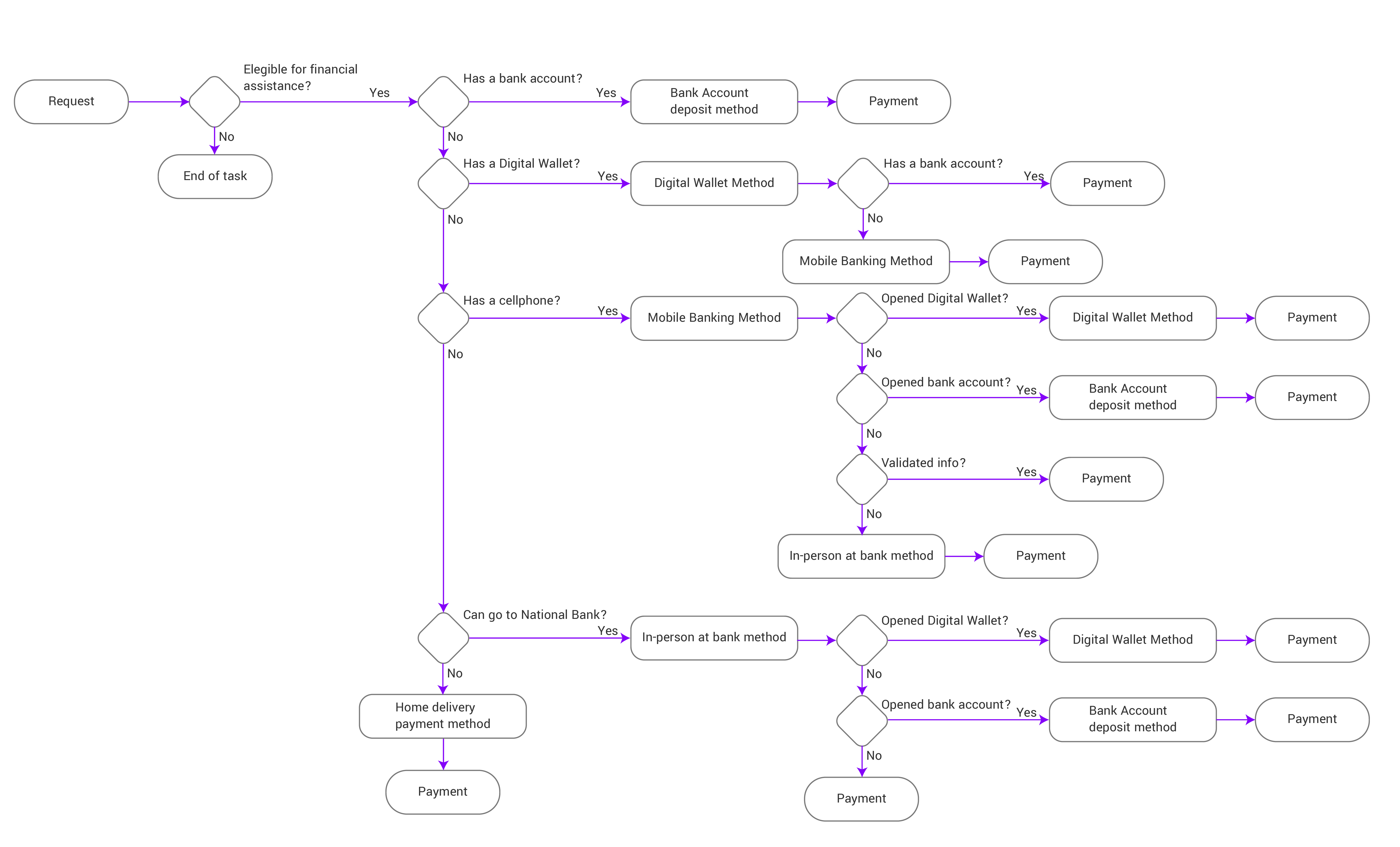
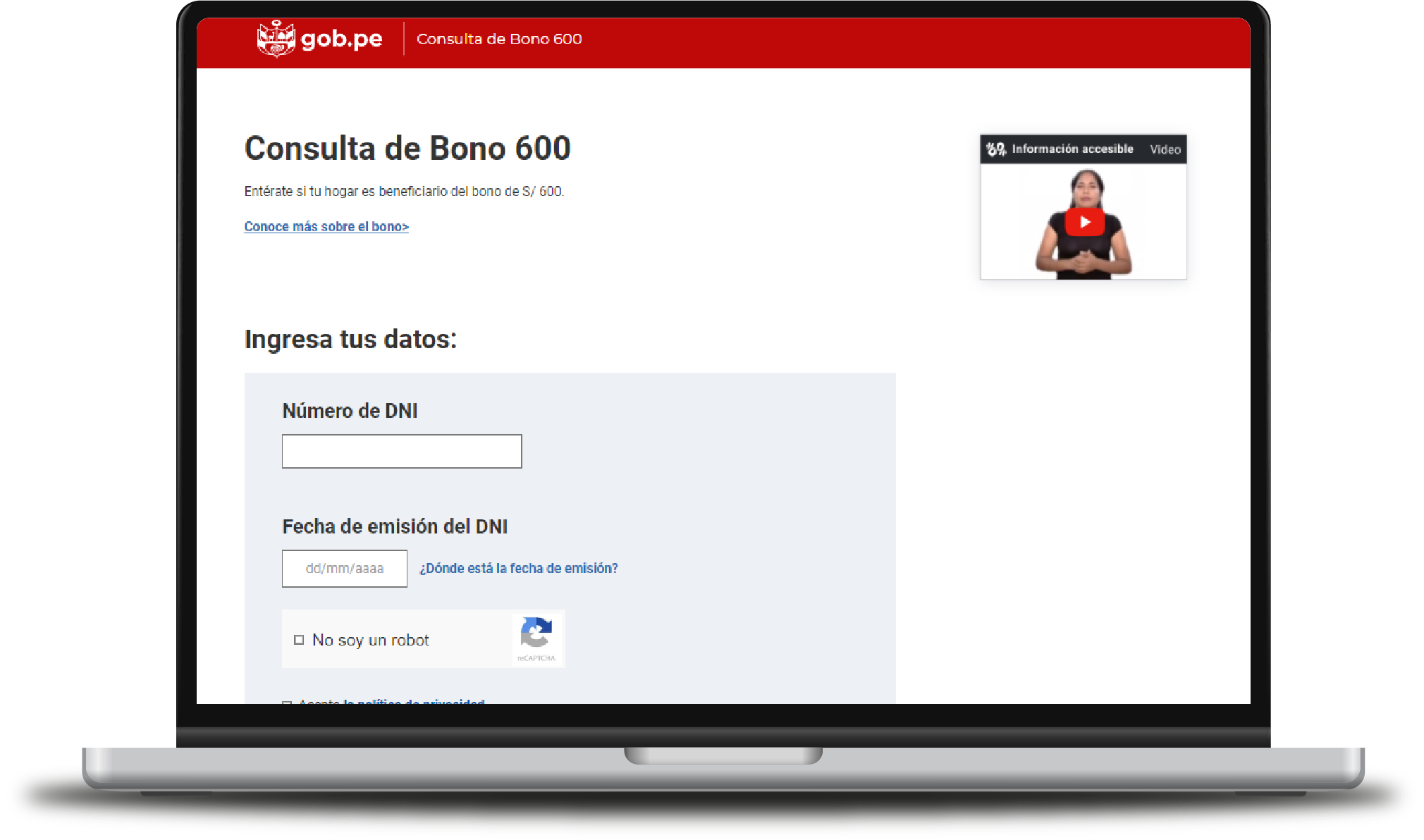


Screens from the final prototype across different payment scenarios.
Response 04
When vaccines became available, the next challenge was helping people understand whether they were eligible, where they should go and when they could receive their dose.
I designed the core consultation flow and defined the different responses a person could receive, ensuring the experience remained clear and accessible across devices.
Because vaccination rules and availability continued to change, the service needed to communicate changing information without requiring people to understand the complexity behind the system.
Scroll horizontally to explore the complete flow.
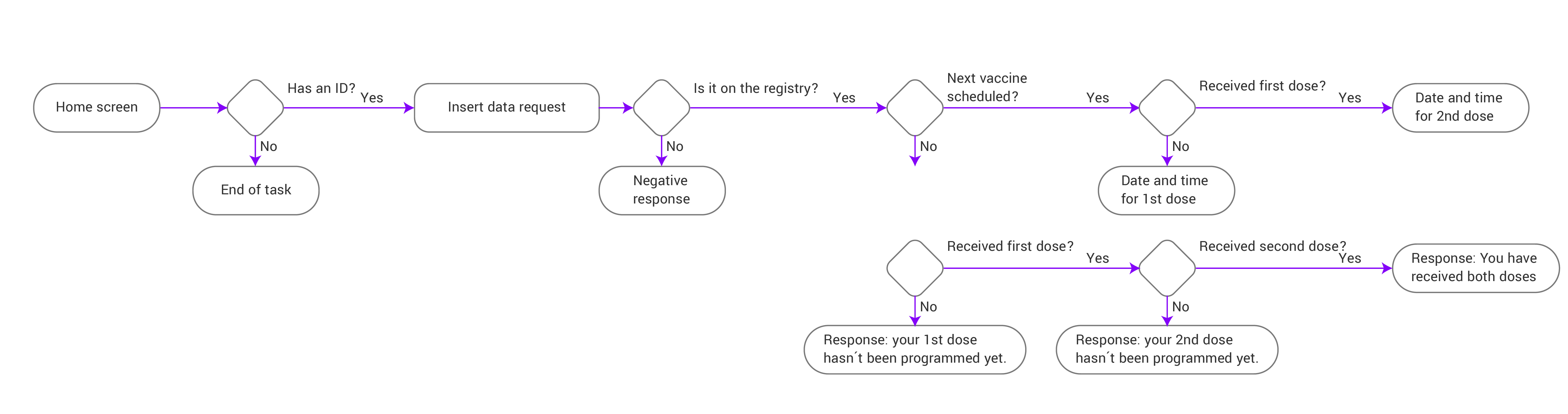
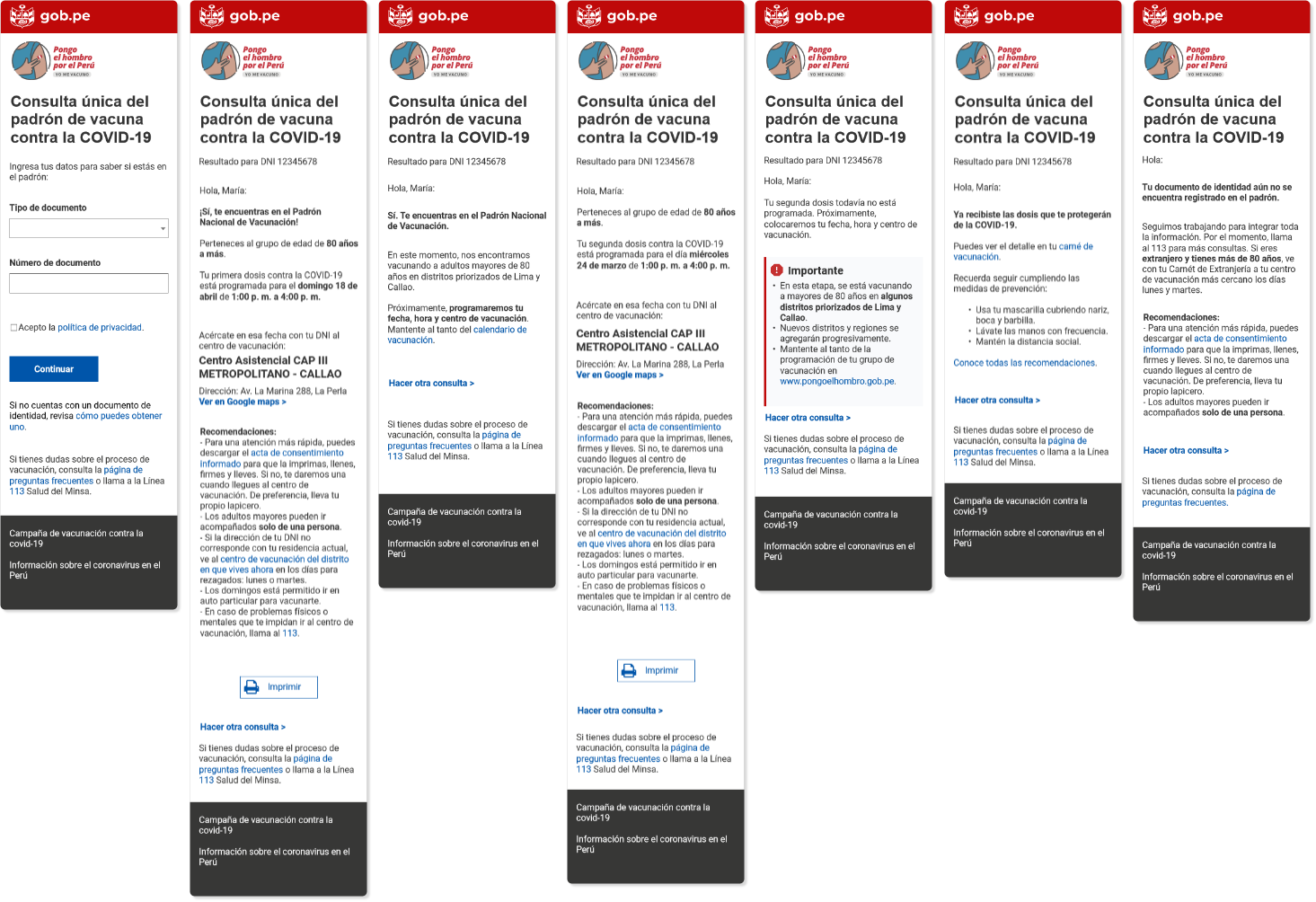
The services created during this period became critical digital touchpoints between people and the Peruvian government.
Designing during a national emergency changed how I think about product and service design.
We rarely had complete information, stable requirements or long research cycles. Instead, we had to identify the most critical user need, understand operational constraints and make informed decisions quickly.
The experience reinforced something that continues to shape my work today: good design is not about removing complexity from the system — it is about preventing that complexity from reaching the user.